Our work team have international certifications in all the activities we carry out.
We know what you need while traveling or doing extreme sports or activities with us.
Ecuador a country of 4 worlds, we have tours in the best destinations in the country.
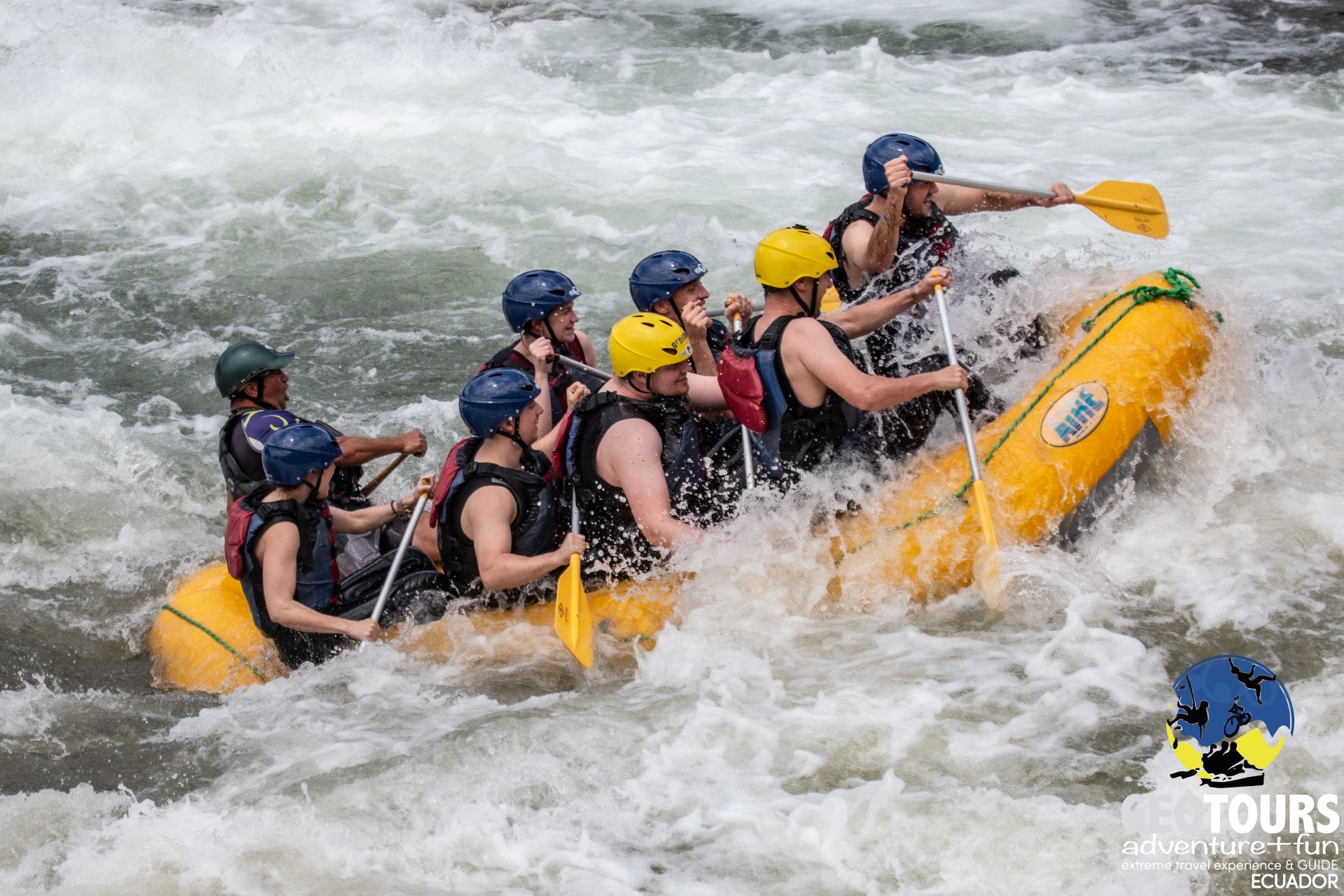
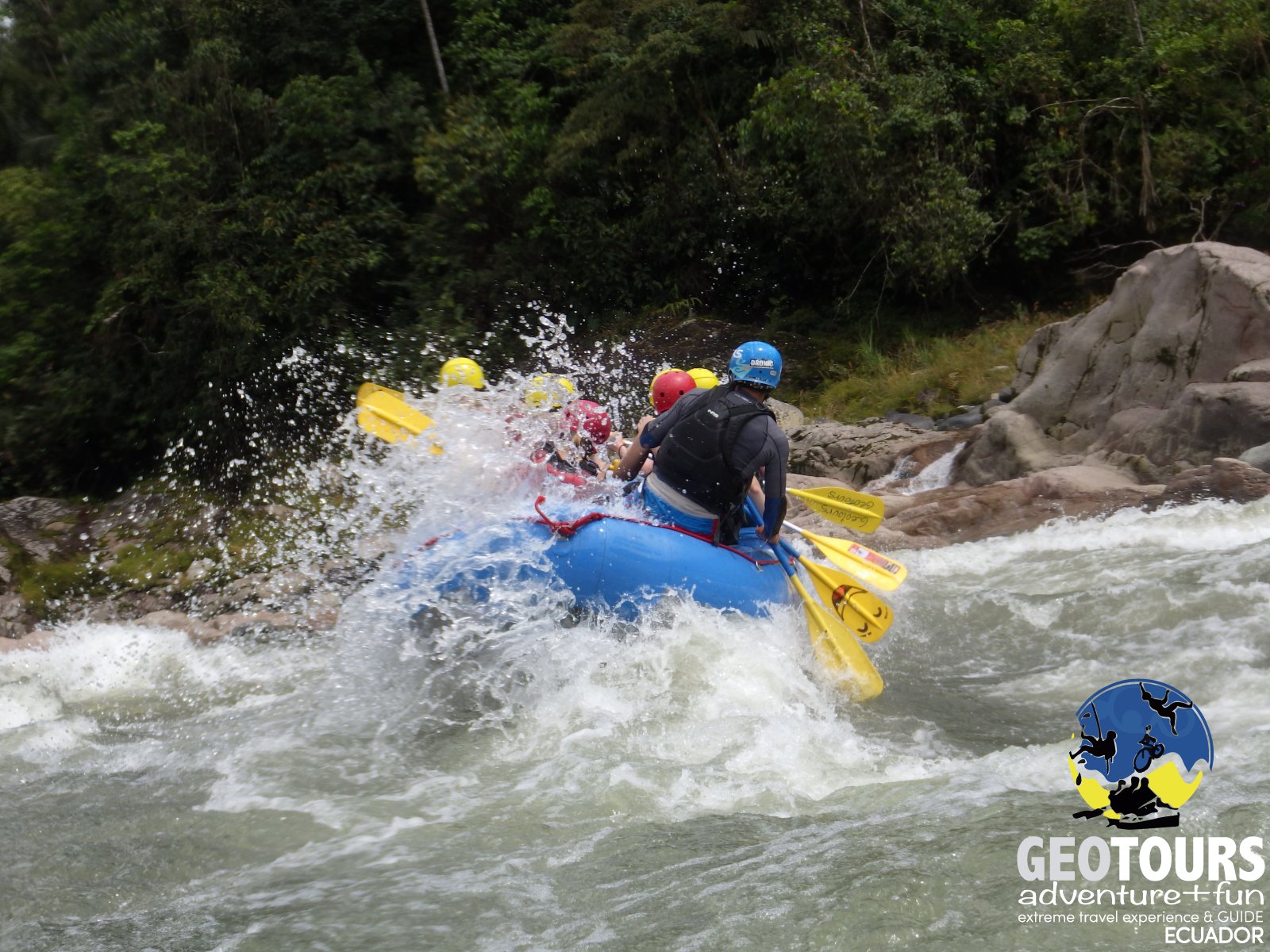
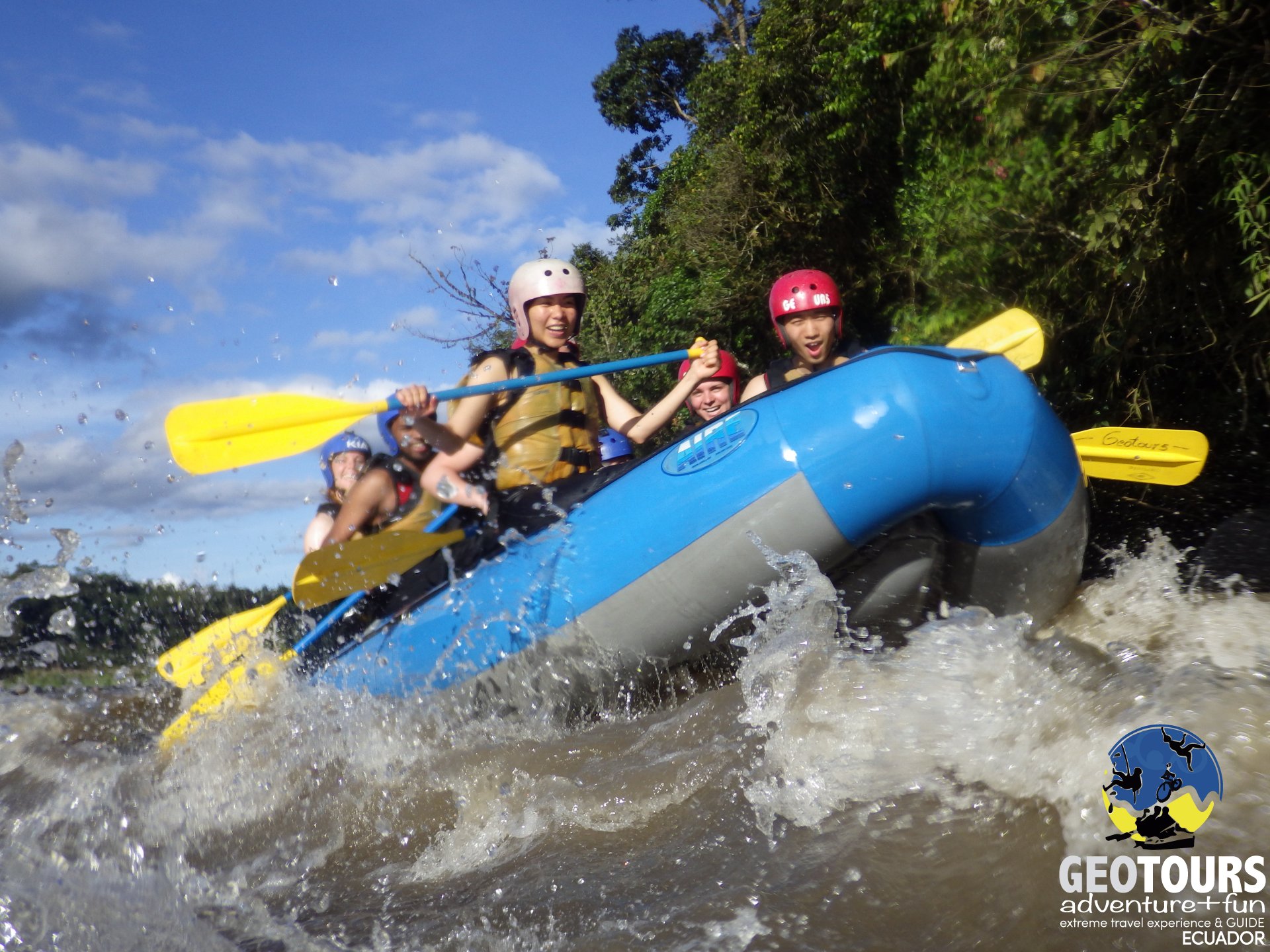
This whitewater rafting tour in the upper section of the Pastaza river is one of our most popular tours in Banos de Agua Santa. Big waves and many rapids will be part of this extraordinary experience. ... See more
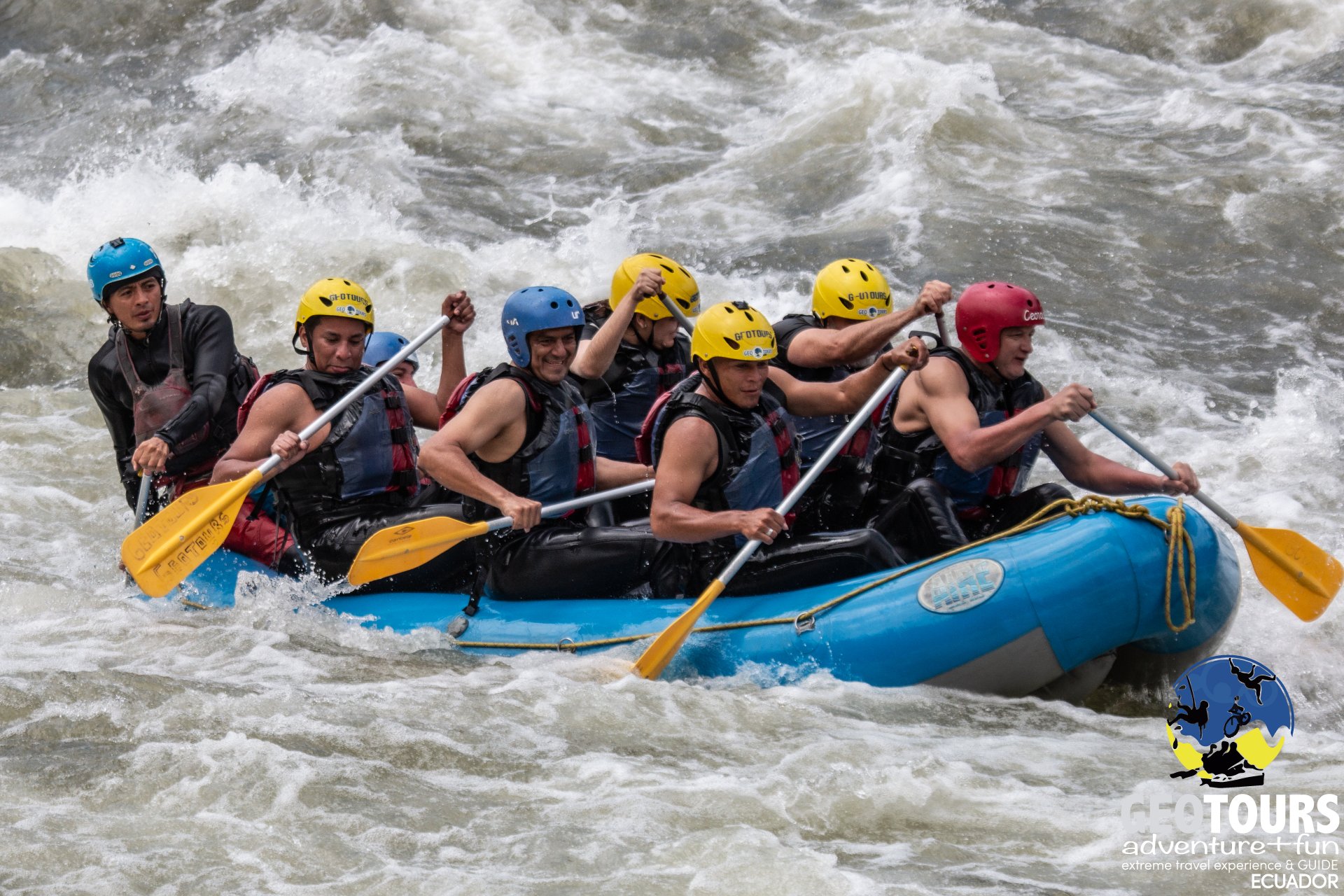
You can only live an extreme adventure in Tena with this rafting tour that promises to fill you up with adrenaline and leave you with an unforgettable experience. ... See more
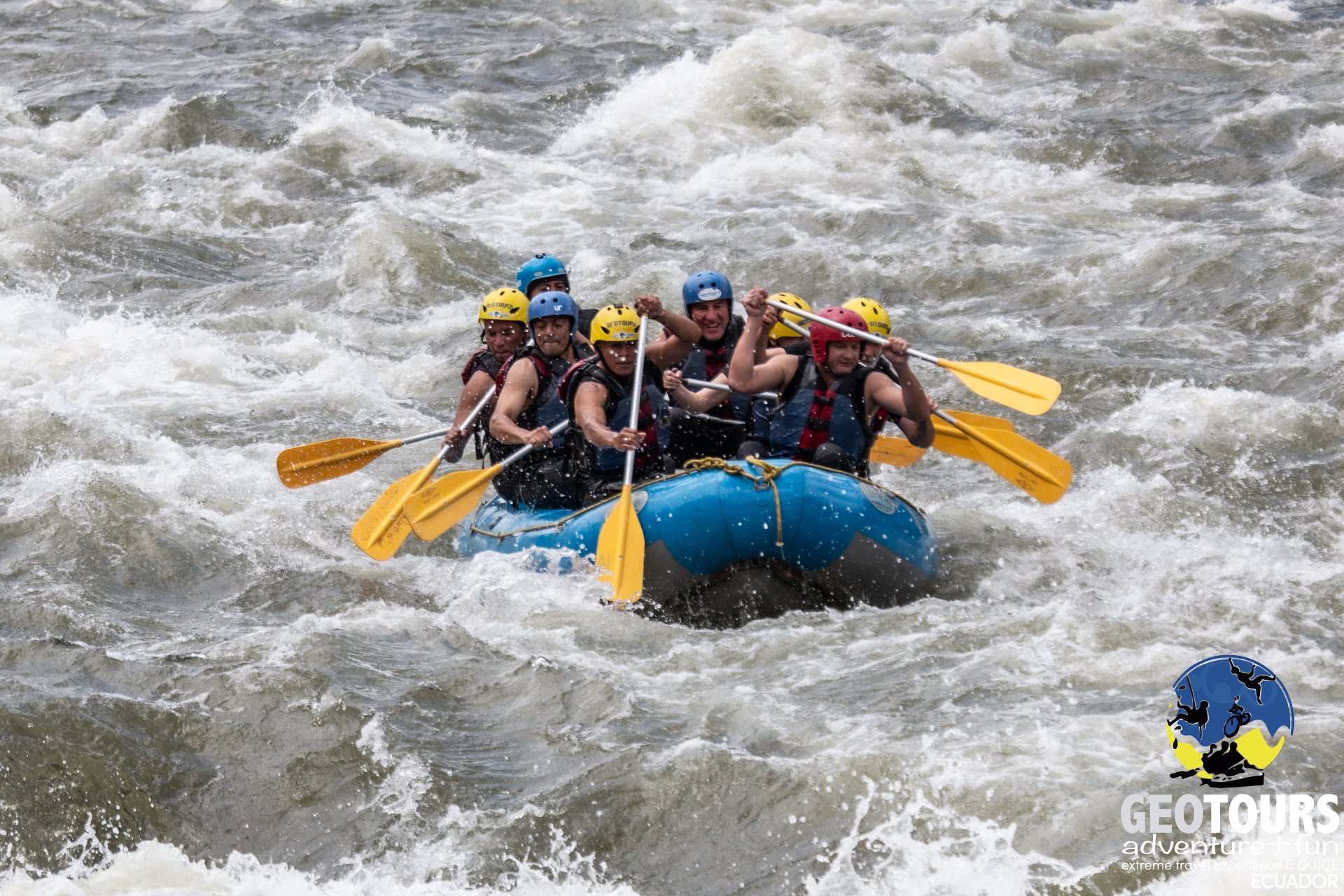
Our half-day rafting tour lower Pastaza River, offers great versatility, being a wide river has several lines, perfect for adventure enthusiasts. Come enjoy it only in Banos, Ecuador. ... See more
Jan
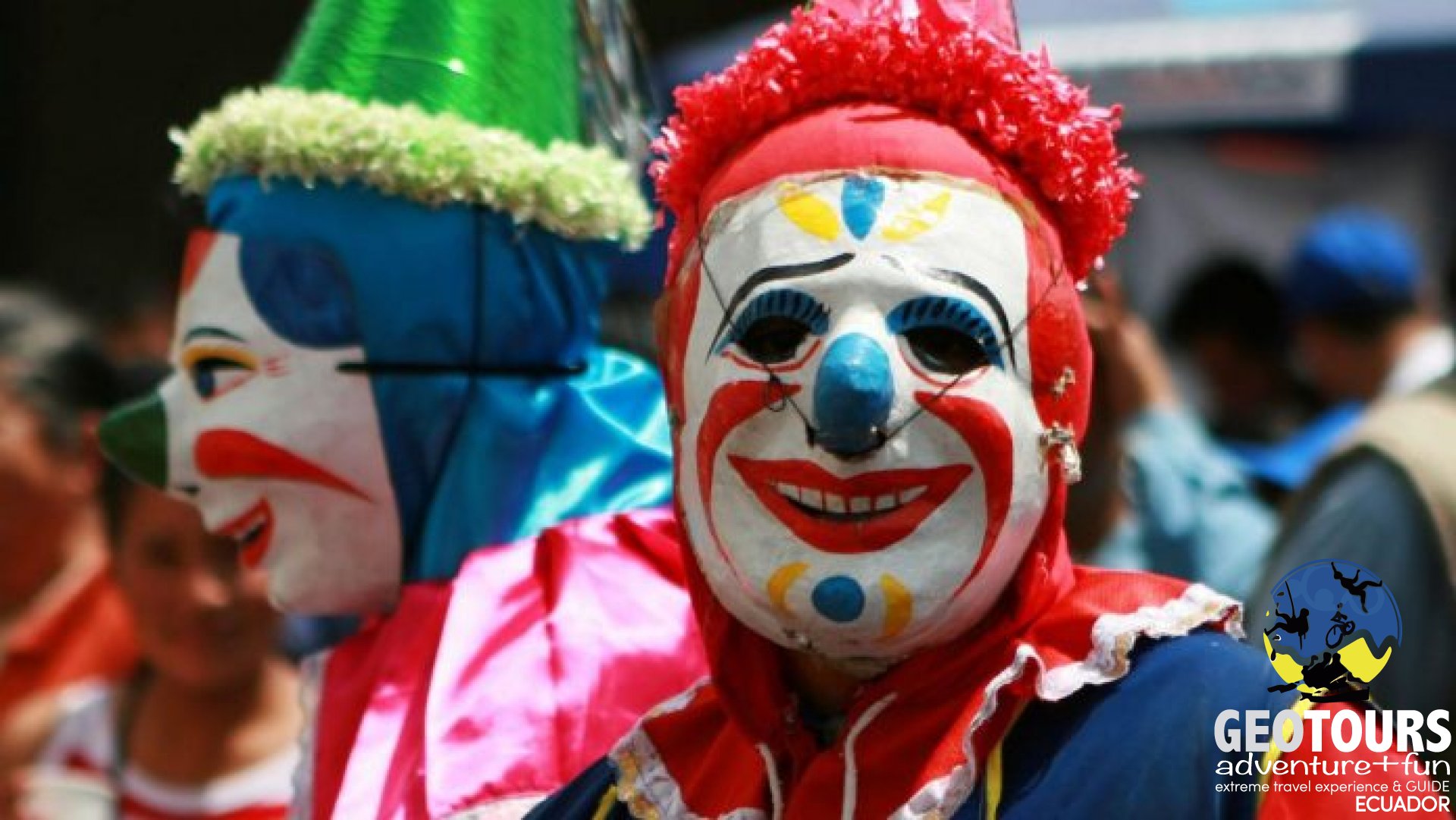
You are planning a trip through this carnival, you want to know the tourist sites where you can go with your family or friends.

Aug
Baños de Agua Santa has magnificent places and trails, they are the perfect places to admire nature at its best.
Jan
Short story based on a rafting experience. By: Catalina Robles Pym
May
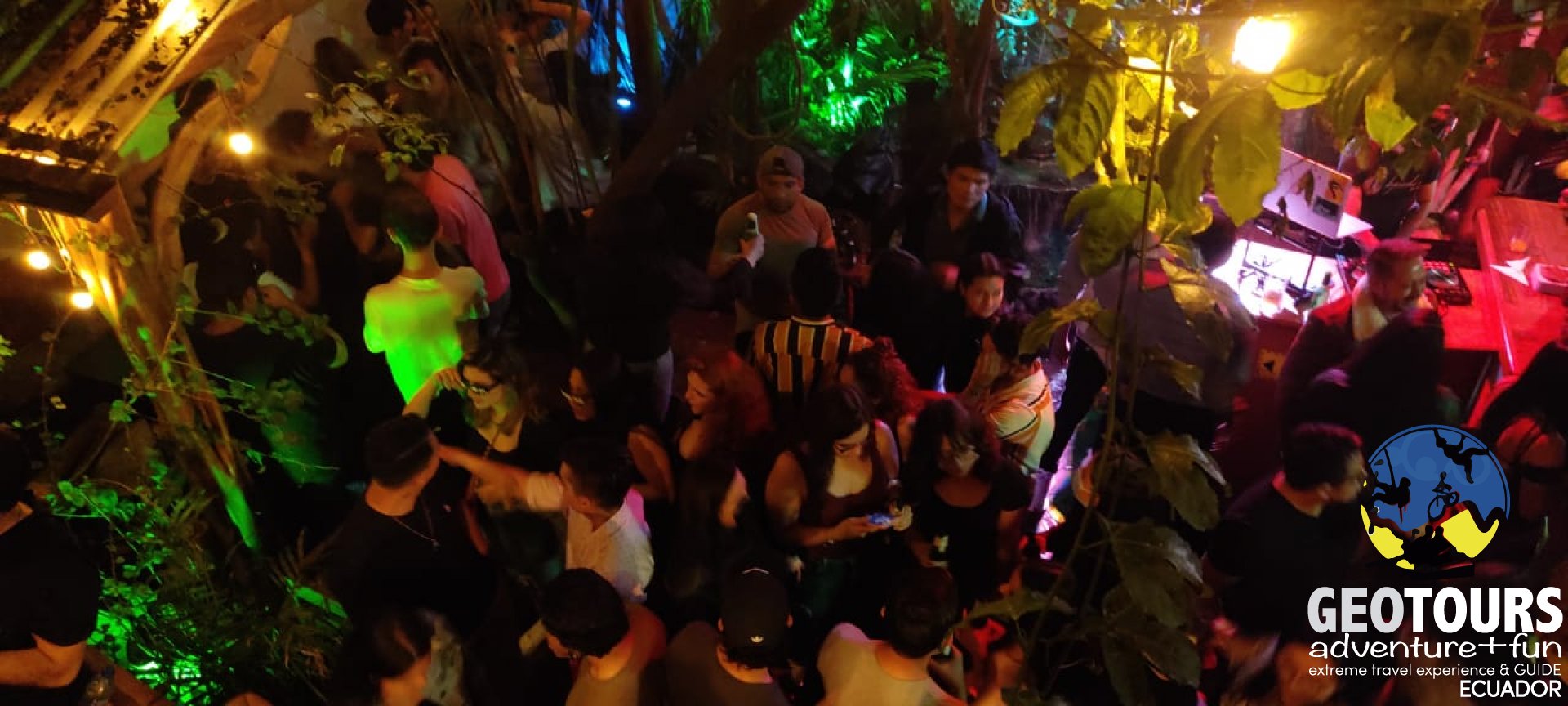
An amazing and carefree night in Baños is characterized as an experience that you certainly do not want to miss.