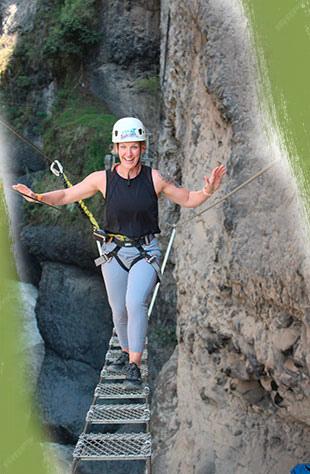
Round Trip Ecuador 10 Days: From Colonial Quito to the Wonders of the Galápagos Islands
We warmly welcome you to our exclusive “Round Trip 10 Days Ecuador”


GEOTOURS, founded in Baños in 1991, is an organization that was specifically designed for extreme sports and outdoor activities.
Ambato y Halflants - Baños de Agua Santa - Ecuador
+593995433293
sales@geotoursbanios.com
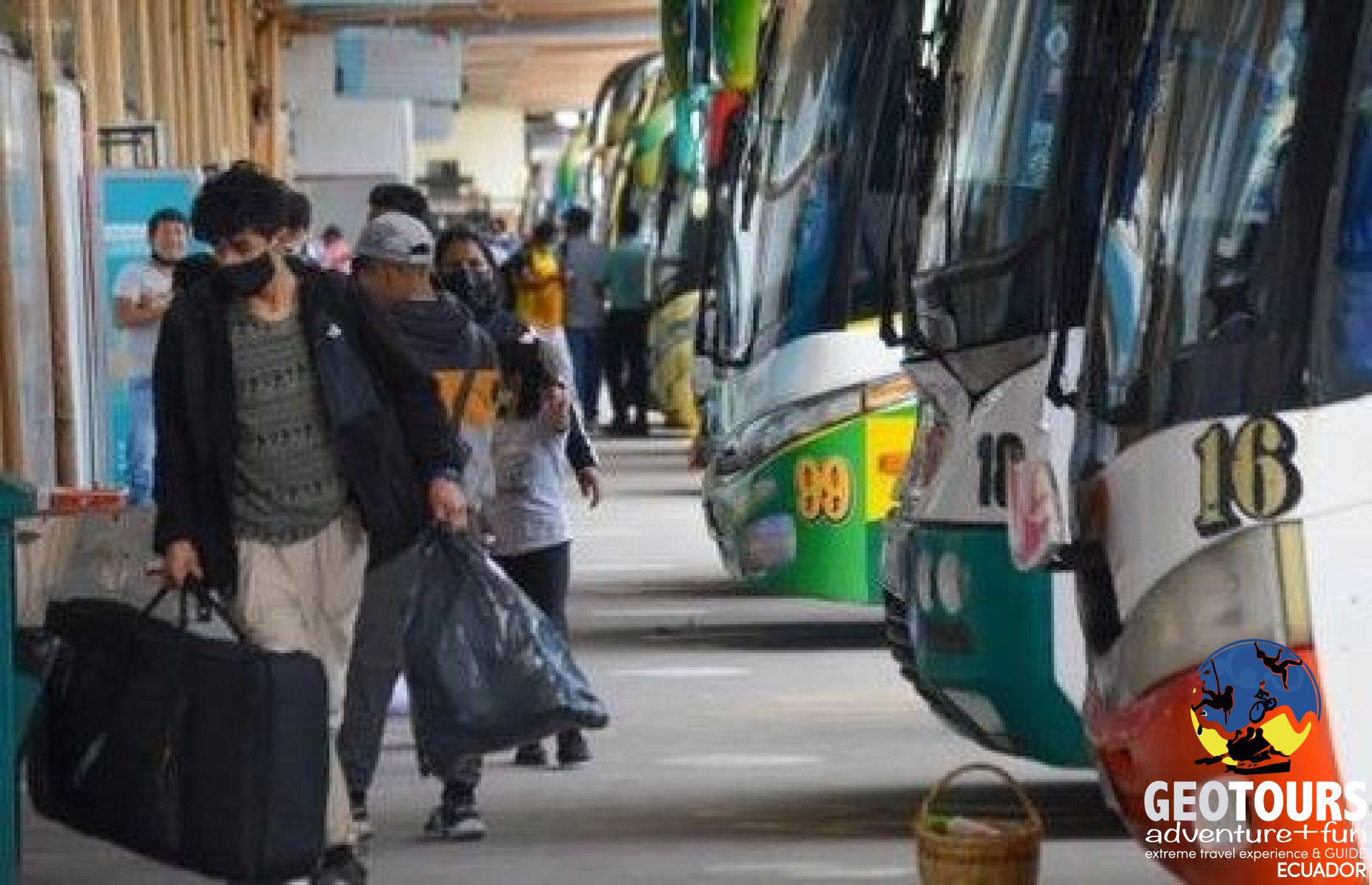
Ecuador is a relatively small but incredibly diverse country, where you can have breakfast in the Andes, lunch in the Amazon, and dinner on the Pacific coast. Getting around the country is part of the adventure, and with proper precautions, it can be a safe and enriching experience.
Air Travel: Fast and Efficient
Domestic Flights
For long distances, flying is the most practical option. The main domestic airlines are LATAM, Avianca, and TAME (although the latter has reduced operations). Flights connect:
Quito with Guayaquil (30 minutes)
Quito/Guayaquil with Cuenca (45 minutes)
Mainland with Galápagos (2 hours)
Quito with Amazonian cities like Coca and Lago Agrio
Recommendations:
Book in advance for better prices (from $60-80 for domestic routes)
Arrive 2 hours early
Check baggage restrictions, especially for Galápagos
Buses: The Most Popular Option
Interprovincial Buses
Ecuador has an extensive bus network connecting virtually all cities and towns. Quality varies considerably:
Recommended Companies:
Cooperativa Panamericana: Quito-Guayaquil route
Flota Imbabura: Northern routes
Patria: Coastal connections
Transportes Ecuador: Various routes
Types of Service:
Executive/Direct: More comfortable, with air conditioning, fewer stops
Regular: Economical but with many stops
Safety Tips:
Travel during daylight whenever possible, especially on unfamiliar routes
Keep your luggage with you or visible; never in open cargo holds
Use established companies from official terminals
Keep valuables in a money belt under your clothes
Have small change for tolls and stops
City Buses
In large cities like Quito and Guayaquil, urban buses cost $0.35-0.50. However, they can be very crowded during rush hours.
Recommended Alternatives:
Metrovía (Guayaquil): Clean and safe rapid bus system
Ecovía/Trolebús (Quito): Exclusive corridors that avoid traffic
Quito Metro: First line inaugurated in 2023, modern and efficient
Taxis and Ride-Sharing Apps
Traditional Taxis
Taxis in Ecuador are yellow and must use a meter by law.
Safety Measures:
Request they activate the meter at the start of the trip
If there's no meter or they refuse to use it, negotiate the price BEFORE getting in
Take a photo of the license plate and share it with someone if traveling alone
Avoid taxis that approach you aggressively at airports or terminals
At night, ask your hotel or restaurant to call a trusted taxi
Transportation Apps (The Safest Option)
Uber: Operates in Quito, Guayaquil, and Cuenca (though technically in a legal gray area) Cabify: Available in major cities InDriver: Popular and economical, you negotiate the price directly
Advantages:
Trip traceability
Driver information
Digital payment (no need for cash)
Ratings and reviews
Car Rentals
Renting a car gives you freedom to explore at your own pace, especially on scenic routes like the Avenue of the Volcanoes or the Spondylus Route.
Reliable Companies:
Budget, Avis, Localiza (at airports)
Recognized local rental agencies
Important Considerations:
You need a valid driver's license and credit card
Full insurance is ESSENTIAL (roads can be unpredictable)
Signage can be confusing; always use GPS/Waze
Gasoline: "Extra" (87 octane) or "Super" (92 octane)
Avoid driving at night in rural areas (animals, lack of lighting)
In large cities, traffic can be chaotic
Tolls: Approximately $1-3 per section
Tourist Trains
Ecuador has revitalized railway routes as tourist experiences:
Tren Crucero: 4-day luxury journey between Quito and Guayaquil
Tren de la Libertad: Historic route with cultural stops
Nariz del Diablo: Impressive zigzag descent near Riobamba
These are safe, organized, and memorable experiences.
Transportation in Galápagos
On inhabited islands (Santa Cruz, San Cristóbal, Isabela):
Shared pickup taxis
Bicycle rentals
Boats for inter-island transport
Organized tours to visitor sites
Important: Tours to protected sites MUST be done with certified Galápagos National Park guides.
General Safety Recommendations
What You SHOULD Do:
Keep digital copies of your documents
Use offline map apps (Maps.me, downloaded Google Maps)
Purchase travel insurance covering transportation
Learn basic Spanish phrases
Always have cash in small denominations
Consult with locals about safe areas
What You Should NOT Do:
Display valuables ostentatiously
Travel with all your money in one place
Take unofficial transportation at airports
Leave luggage unattended
Trust unsolicited "guides" who approach you
Getting around the country is part of the adventure, and with proper precautions, it can be a safe and enriching experience.

We warmly welcome you to our exclusive “Round Trip 10 Days Ecuador”

With Geotours, enjoy a bike adventure off the beaten path. Ride through the stunning Valley of Eternal Spring

If you're an experienced mountaineer or in top physical shape, this is your challenge: reach 6,263 m on Chimborazo.
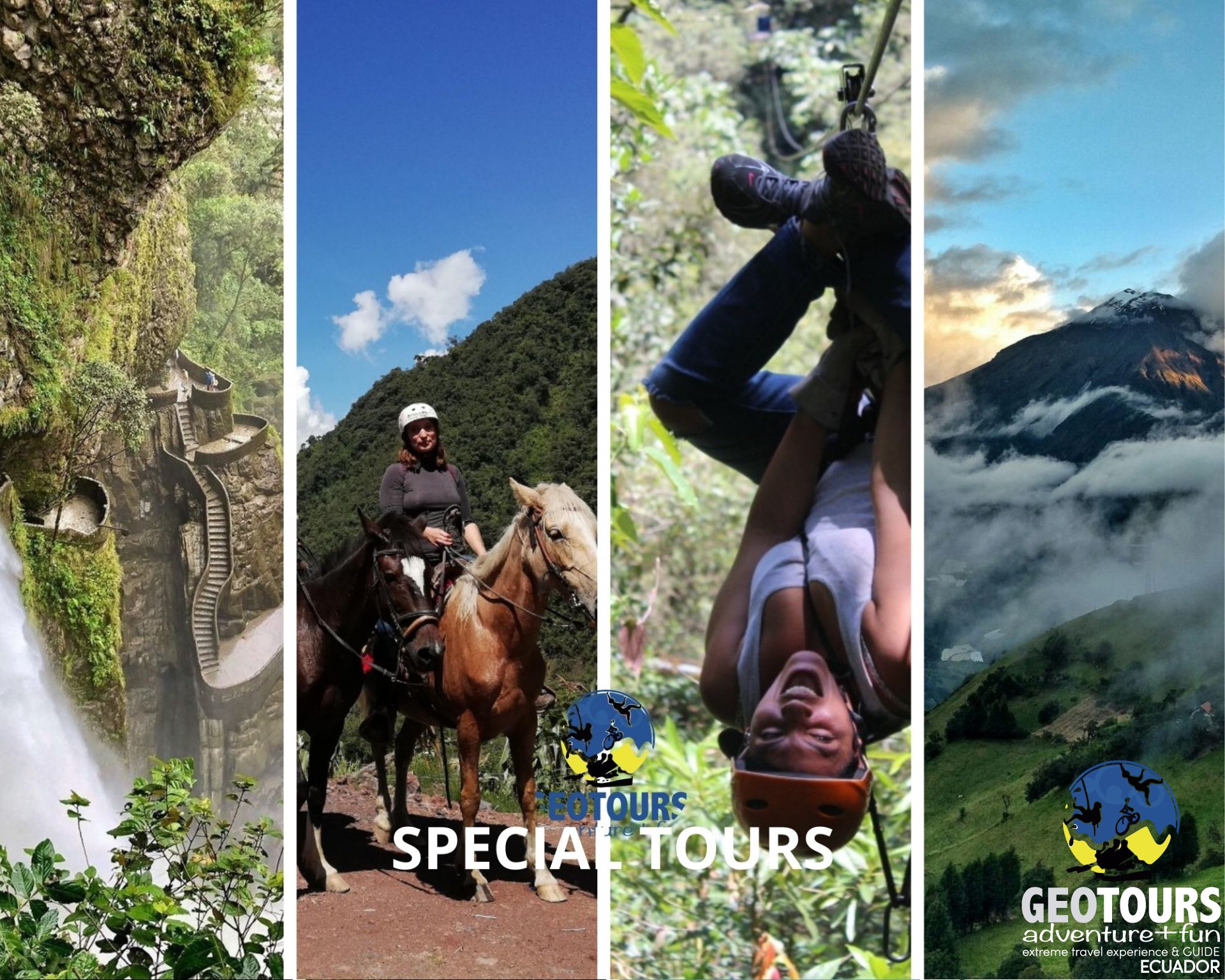
Discover Baños with your family: A safe and stunning destination where nature, adventure, and unforgettable moments come together.
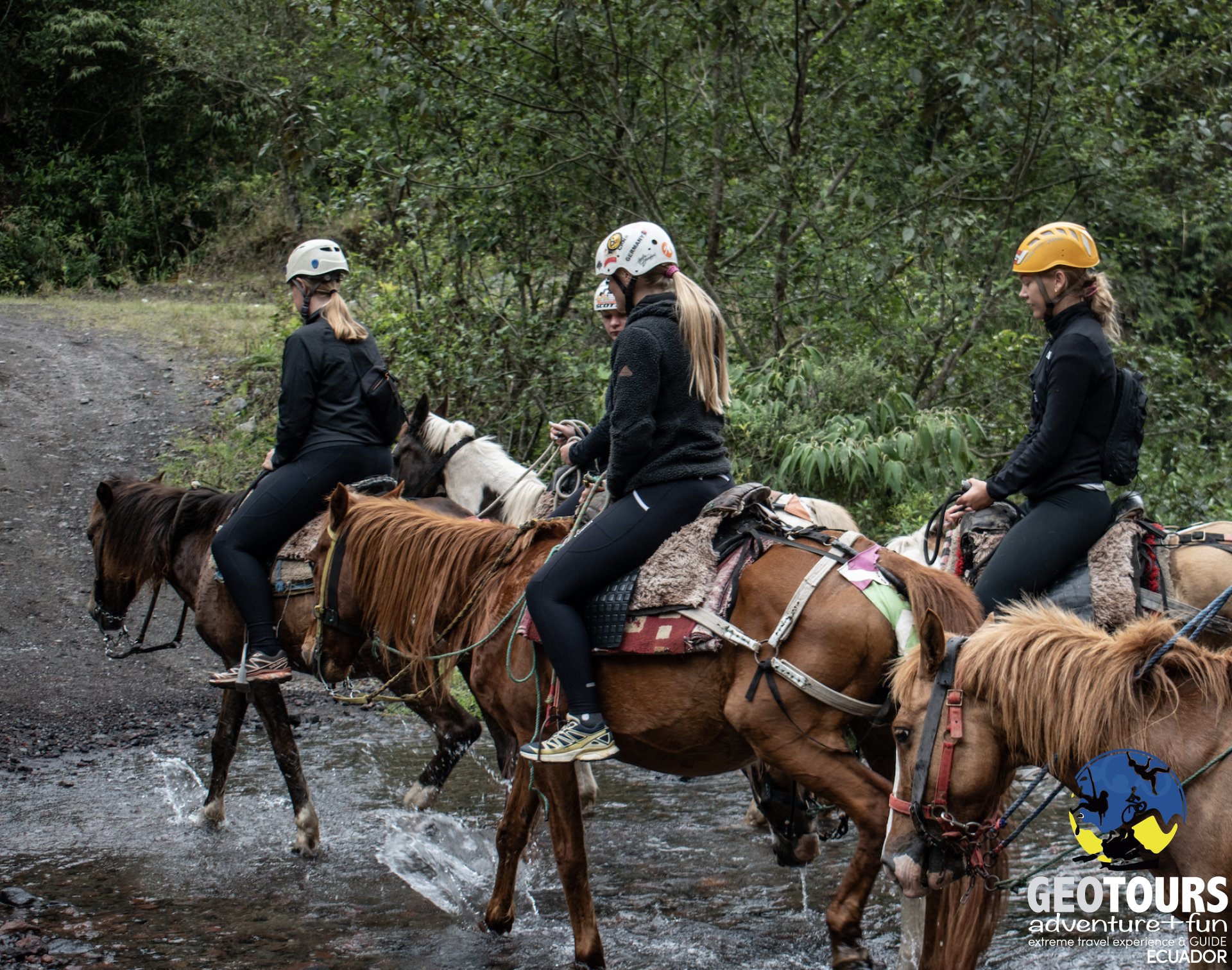
This tour is perfect to unplug, breathe fresh air, and enjoy the flora, fauna, and stunning views.

You will love our 5-day tour to Yasuní National Park!

Step into an exciting day of glacier climbing on the majestic Cotopaxi Glacier (5,897 m).

The boat and crew offer a relaxing atmosphere and attention to detail. the passengers are the first priority,
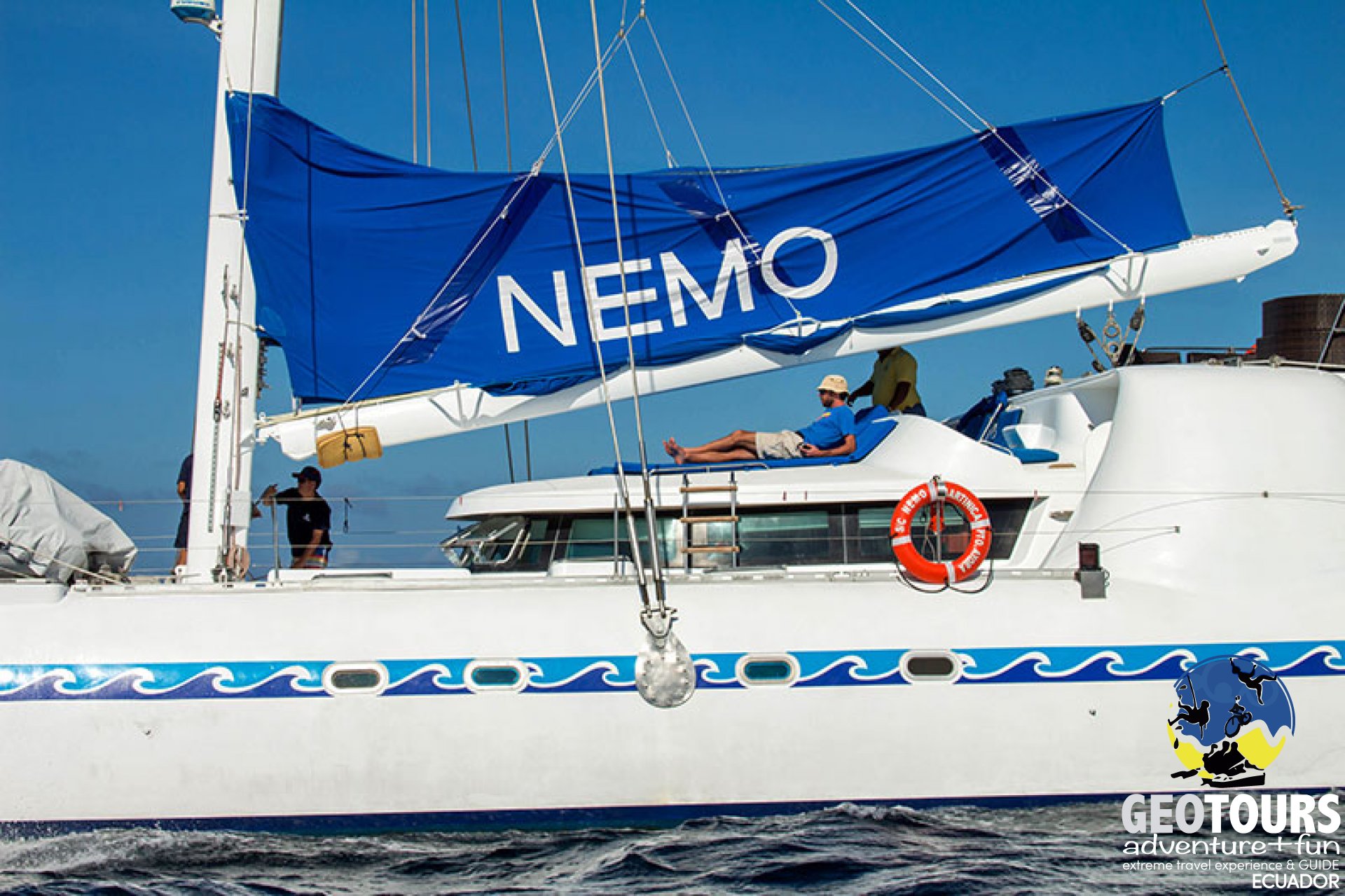
The spectacular catamaran netting spanned between both sterns of the hulls is supplemented by an ample